Post-Hurricane Milton: How Inspection Crews Are Using ROVs to Prepare for the Next Disaster

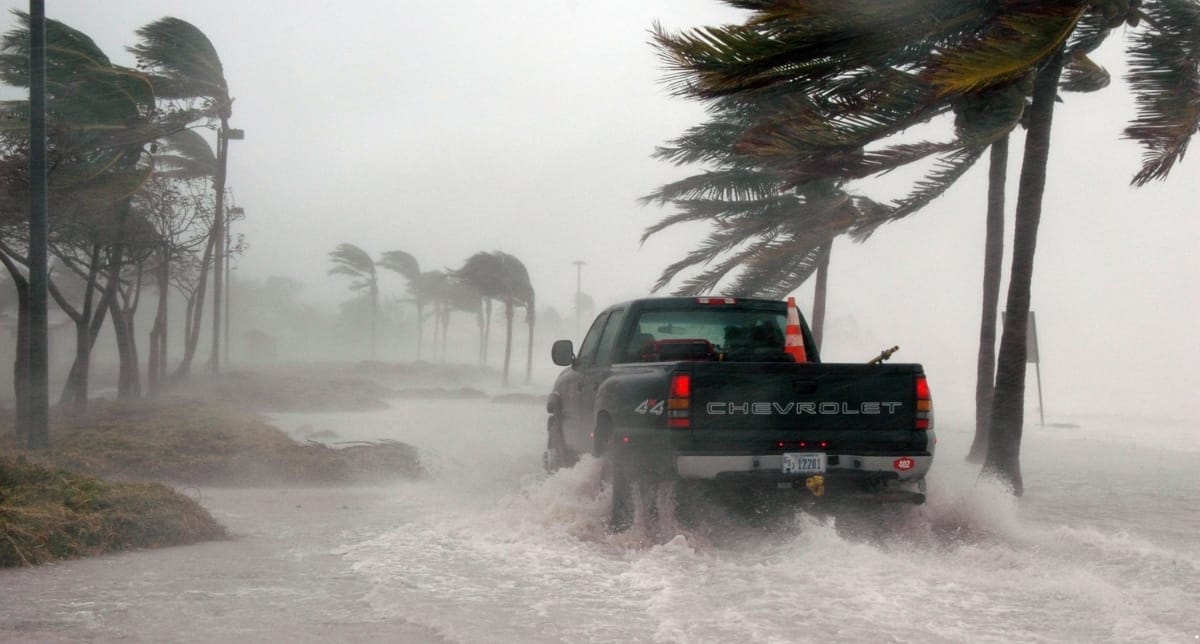
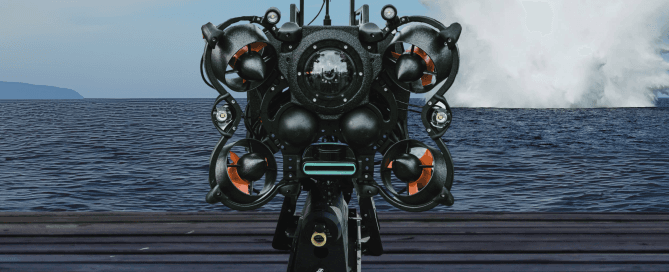
Post-Hurricane Milton: How Inspection Crews Are Using ROVs to Prepare for the Next Disaster In the aftermath of Hurricane Milton, inspection crews across Florida are rethinking how they approach disaster response and infrastructure resilience. With limited time between storms and growing concerns about underwater infrastructure, teams are turning to remotely operated vehicles (ROVs)—or professional underwater drones—to inspect, repair, and prepare critical systems before the next hurricane strikes. Pre and Post Storm Inspections In the event of another hurricane, civil engineering teams across the state are prioritizing pre-storm inspections of critical infrastructure—such as pipelines, canals, and roadways—to ensure these systems can withstand flooding. Traditionally, advanced divers carried out underwater investigations—collecting data, documenting conditions, and recommending repairs or improvements. Today, instead of sending divers into dangerous, zero-visibility, alligator-prone floodwaters, inspection crews deploy ROVs first. These systems capture high-resolution sonar and video data safely from the surface, delivering [...]
By |2025-11-19T13:10:56-08:00August 29th, 2025|Blog, Landing|Comments Off on Post-Hurricane Milton: How Inspection Crews Are Using ROVs to Prepare for the Next Disaster

How to Set Up and Deploy an Inspection ROV

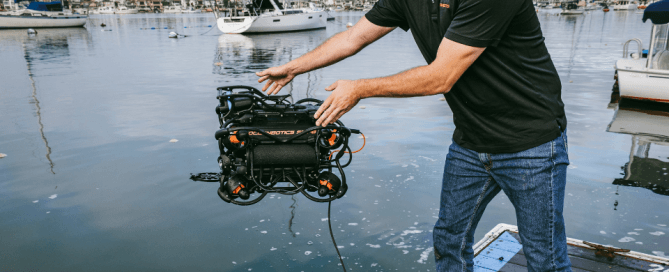
Introduction When it comes to new technology, inspection ROVs (or, remotely operated vehicles) are making their way into industries around the world. As more industries adopt robotic systems and artificial intelligence into their daily operations, it’s becoming essential for professionals to stay ahead of the curve.The good news? Modern ROVs are a far cry from the complex, unreliable tools of the past. Today’s systems are streamlined, rugged, and built for real-world operations. Remotely operated vehicles are proving themselves across a wide range of industries—including search and rescue, defense, offshore oil and gas, infrastructure inspection, and marine research—by offering a safer, more efficient, and cost-effective alternative to traditional methods. If you’ve been skeptical of adopting this kind of technology, you're not alone—but we’re here to show you just how simple and practical it can be. In this article, we’ll walk you through how to set up and deploy a professional-grade inspection [...]

By |2025-11-20T09:24:39-08:00April 24th, 2025|Blog, Landing|Comments Off on How to Set Up and Deploy an Inspection ROV

How EOD Teams are Using Robotic Technology to Keep Divers Safe

How EOD Teams are Using Robotic Technology to Keep Divers Safe Introduction Explosive Ordnance Disposal (EOD) teams undertake some of the most dangerous missions on the planet, expertly trained to locate and neutralize unexploded ordnances (UXOs) such as naval mines and underwater IEDs (improvised explosive devices). Naval mines are underwater explosives capable of devastating ships or submarines. Historically, these devices were deployed as wartime strategies to block enemy access to certain areas or funnel them into specific zones. Today, naval mines remain hidden along the ocean floor, posing significant risks to ocean operations and personnel. In this article, we’ll explore what naval mines are, how EOD teams work to safely eliminate them, and how advancements in technology are revolutionizing this process—making it faster, safer, and more efficient. What Are Naval Mines? A naval mine is a self-contained underwater explosive designed to damage or destroy submarines [...]

By |2025-11-20T09:44:07-08:00January 23rd, 2025|Blog, Landing, Uncategorized|Comments Off on How EOD Teams are Using Robotic Technology to Keep Divers Safe
Go to Top