Ask an ROV Pilot: Inside Pipe Profiling with Max Jackson

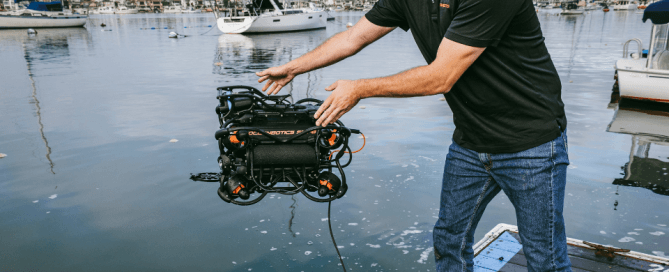
Ask an ROV Pilot: Inside Pipe Profiling with Max Jackson We sat down with ROV pilot Max Jackson of Underwater Engineering Services Inc. (UESI) to get an inside look at his work inspecting culverts and pipelines across Southeast Florida. This past summer, Max was featured on Smithsonian Channel’s hit series How Did They Fix That?, giving viewers a glimpse into a day in the life of an ROV pilot managing critical infrastructure in hurricane-prone areas. In our conversation, he shares how his work helps protect the state’s canals from storms like Hurricane Milton and what it takes to keep Florida’s waterways safe. Read the full interview below. Walk me through a day as an ROV pilot performing underwater inspections. Max: "We pack up the SRV-8 ROV—it comes in four boxes, which really isn’t much for the amount of equipment. Loading the truck takes about 20 minutes, [...]
By |2025-11-04T09:39:39-08:00November 4th, 2025|Blog, Landing, Testimonials|Comments Off on Ask an ROV Pilot: Inside Pipe Profiling with Max Jackson

Post-Hurricane Milton: How Inspection Crews Are Using ROVs to Prepare for the Next Disaster

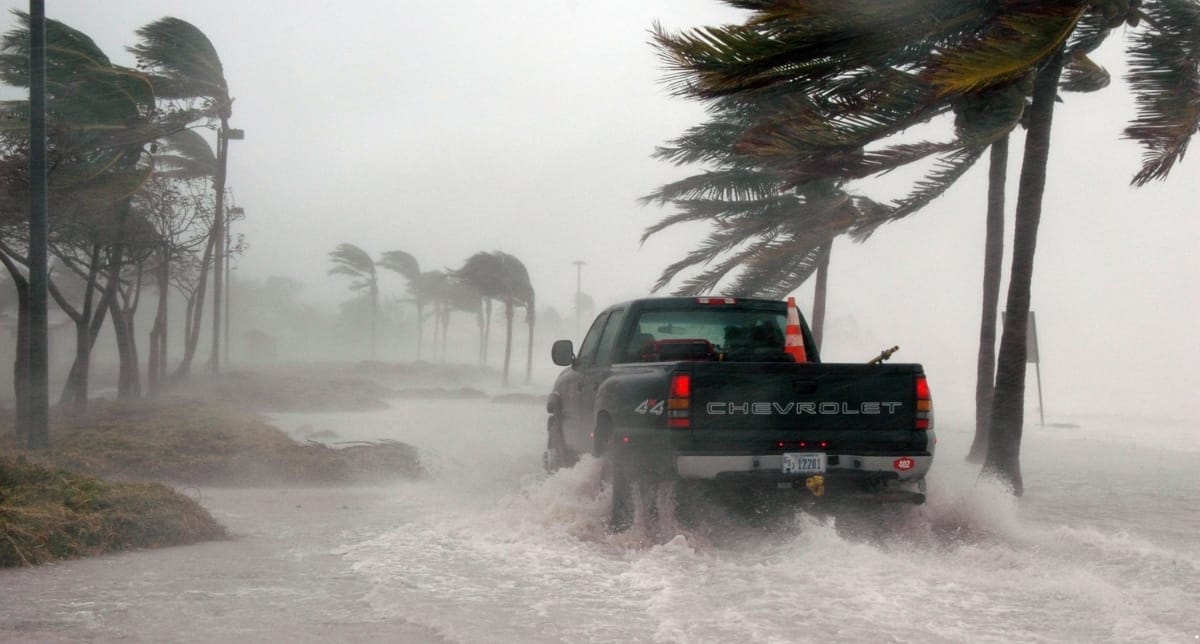
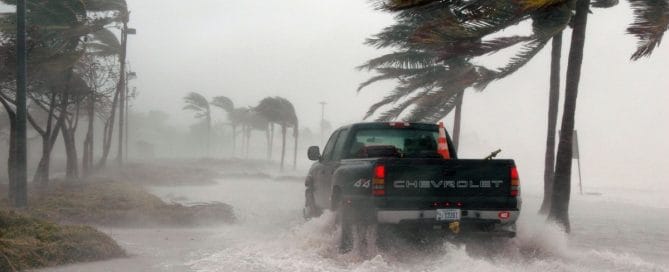
Post-Hurricane Milton: How Inspection Crews Are Using ROVs to Prepare for the Next Disaster In the aftermath of Hurricane Milton, inspection crews across Florida are rethinking how they approach disaster response and infrastructure resilience. With limited time between storms and growing concerns about underwater infrastructure, teams are turning to remotely operated vehicles (ROVs)—or professional underwater drones—to inspect, repair, and prepare critical systems before the next hurricane strikes. Pre and Post Storm Inspections In the event of another hurricane, civil engineering teams across the state are prioritizing pre-storm inspections of critical infrastructure—such as pipelines, canals, and roadways—to ensure these systems can withstand flooding. Traditionally, advanced divers carried out underwater investigations—collecting data, documenting conditions, and recommending repairs or improvements. Today, instead of sending divers into dangerous, zero-visibility, alligator-prone floodwaters, inspection crews deploy ROVs first. These systems capture high-resolution sonar and video data safely from the surface, delivering [...]

By |2025-11-19T13:10:56-08:00August 29th, 2025|Blog, Landing|Comments Off on Post-Hurricane Milton: How Inspection Crews Are Using ROVs to Prepare for the Next Disaster

Oceanbotics Returns to Shark Week for Third Year to Capture Black Mako

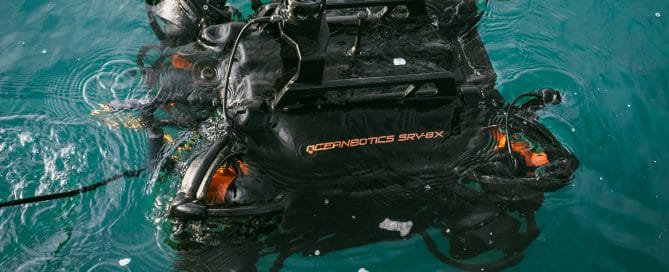
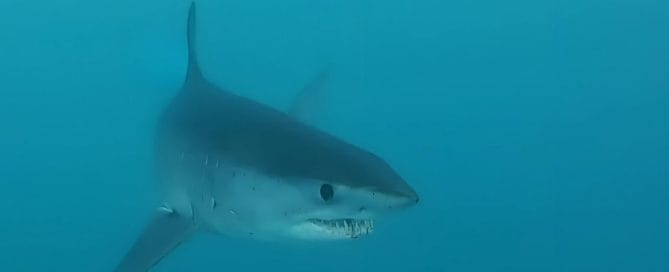
Oceanbotics Returns to Shark Week to Capture Rare Black Mako Oceanbotics is excited to announce its return to the Discovery Channel’s Shark Week for the third consecutive year, participating in the production of a new special, “Black Mako of the Abyss", filmed off the coast of Catalina Island in Southern California. To help locate this rare, dark-colored shark, Oceanbotics deployed its professional SRV-8X remotely operated underwater vehicle (ROV). Ryan Gates, an ROV operator, easily piloted the vehicle down to 1,640 feet (500 meters) using just a handheld controller and a laptop, showcasing how straightforward and user-friendly the system is, even in challenging conditions. A rare Black Mako Shark flashes its sharp teeth and distinctive dark top as it passes the SRV-8X ROV. The Black Mako Shark slows down to study a Shark Week diver as it glides past the SRV-8X ROV. What is [...]

By |2025-11-20T09:21:56-08:00August 4th, 2025|Blog, Landing, Uncategorized|Comments Off on Oceanbotics Returns to Shark Week for Third Year to Capture Black Mako

How to Set Up and Deploy an Inspection ROV

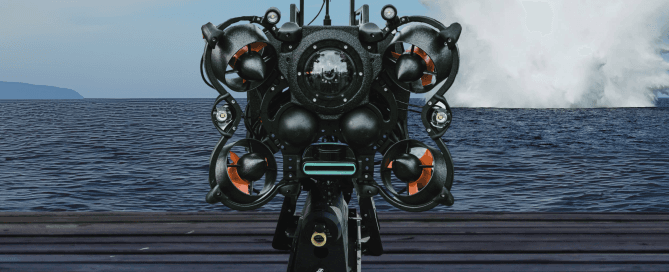
Introduction When it comes to new technology, inspection ROVs (or, remotely operated vehicles) are making their way into industries around the world. As more industries adopt robotic systems and artificial intelligence into their daily operations, it’s becoming essential for professionals to stay ahead of the curve.The good news? Modern ROVs are a far cry from the complex, unreliable tools of the past. Today’s systems are streamlined, rugged, and built for real-world operations. Remotely operated vehicles are proving themselves across a wide range of industries—including search and rescue, defense, offshore oil and gas, infrastructure inspection, and marine research—by offering a safer, more efficient, and cost-effective alternative to traditional methods. If you’ve been skeptical of adopting this kind of technology, you're not alone—but we’re here to show you just how simple and practical it can be. In this article, we’ll walk you through how to set up and deploy a professional-grade inspection [...]

By |2025-11-20T09:24:39-08:00April 24th, 2025|Blog, Landing|Comments Off on How to Set Up and Deploy an Inspection ROV

What is an ROV? Answers to the Top 8 Questions

What is an ROV? Answers to the Top 8 Questions Introduction An ROV, or "Remotely Operated Vehicle," is an advanced underwater robotic vehicle designed to perform tasks beneath the water's surface with precision and efficiency. Also called underwater ROVs, these vehicles are remotely controlled by an operator above water. We researched the most commonly asked questions about ROVs and gathered insights from our experts to answer the top eight. Whether you're looking to buy an ROV for professional use or want to learn how they’re transforming underwater operations, let’s explore their features and real-world impact. 8 Most Commonly Asked Questions about ROVs 1. How do ROVs work? 2. What are the different types of ROVs? 3. Which industries are implementing ROV technology for critical operations? 4. How Deep Can an ROV Go? 5. What kind of tasks can an ROV perform underwater? [...]

By |2025-11-20T09:29:30-08:00February 13th, 2025|Blog, Landing, Uncategorized|Comments Off on What is an ROV? Answers to the Top 8 Questions

How EOD Teams are Using Robotic Technology to Keep Divers Safe

How EOD Teams are Using Robotic Technology to Keep Divers Safe Introduction Explosive Ordnance Disposal (EOD) teams undertake some of the most dangerous missions on the planet, expertly trained to locate and neutralize unexploded ordnances (UXOs) such as naval mines and underwater IEDs (improvised explosive devices). Naval mines are underwater explosives capable of devastating ships or submarines. Historically, these devices were deployed as wartime strategies to block enemy access to certain areas or funnel them into specific zones. Today, naval mines remain hidden along the ocean floor, posing significant risks to ocean operations and personnel. In this article, we’ll explore what naval mines are, how EOD teams work to safely eliminate them, and how advancements in technology are revolutionizing this process—making it faster, safer, and more efficient. What Are Naval Mines? A naval mine is a self-contained underwater explosive designed to damage or destroy submarines [...]

By |2025-11-20T09:44:07-08:00January 23rd, 2025|Blog, Landing, Uncategorized|Comments Off on How EOD Teams are Using Robotic Technology to Keep Divers Safe
Go to Top