
How to Choose the Right ROV: 3-Step ROV Selection Guide for Subsea Missions
Selecting the ideal Remotely Operated Vehicle (ROV) for underwater operations often comes down to balancing three critical variables: operating depth, ocean currents, and payload capability. Whether you are conducting shallow infrastructure inspections, mapping deep-water pipelines, or deploying advanced subsea sensors, choosing the right platform ensures high mission success and maximum ROI.
At Oceanbotics, we streamline the procurement process by evaluating three fundamental operational questions. Read through this ROV selection guide—or take our quick quiz framework—to determine which Oceanbotics ROV model best fits your team’s subsea requirements
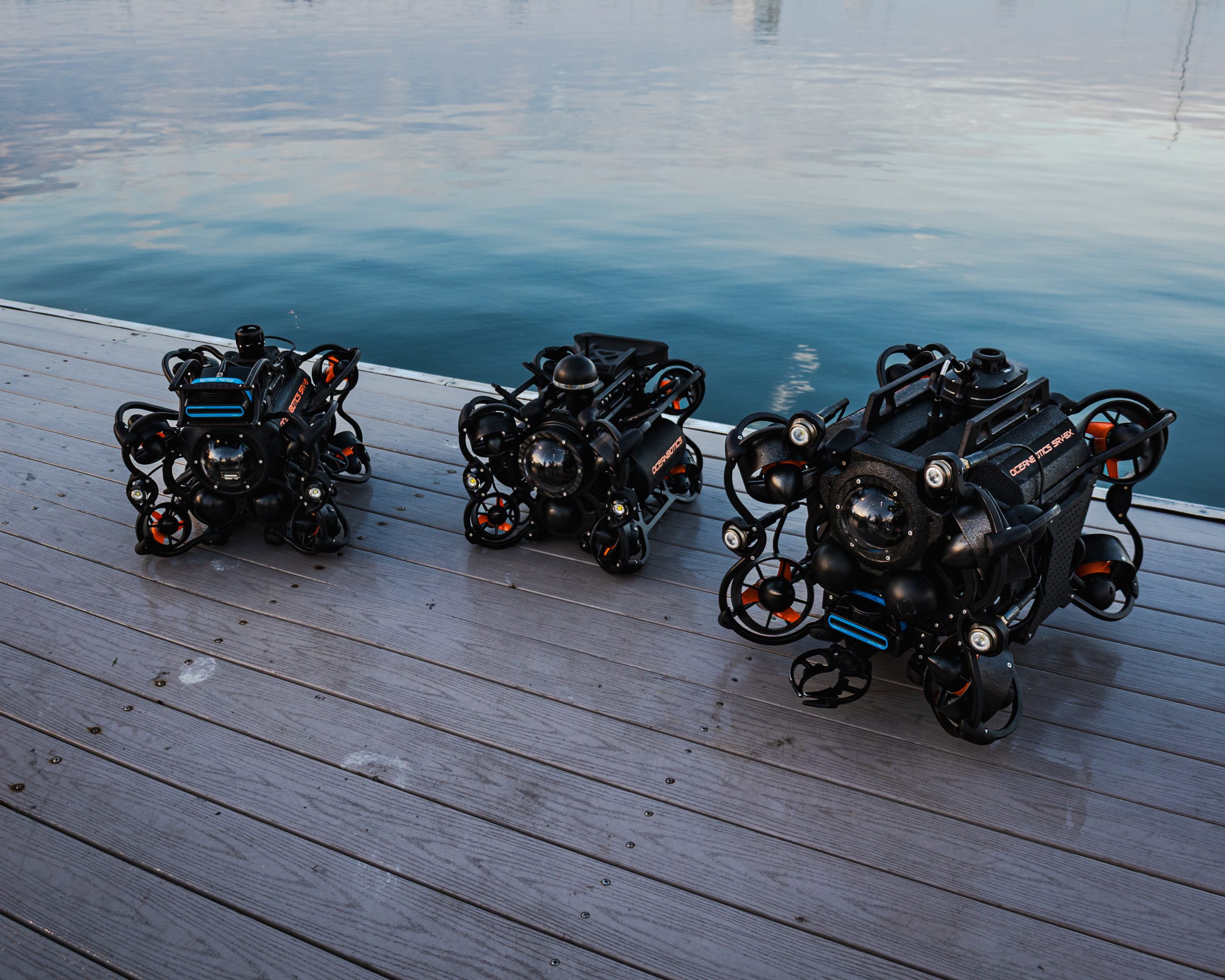
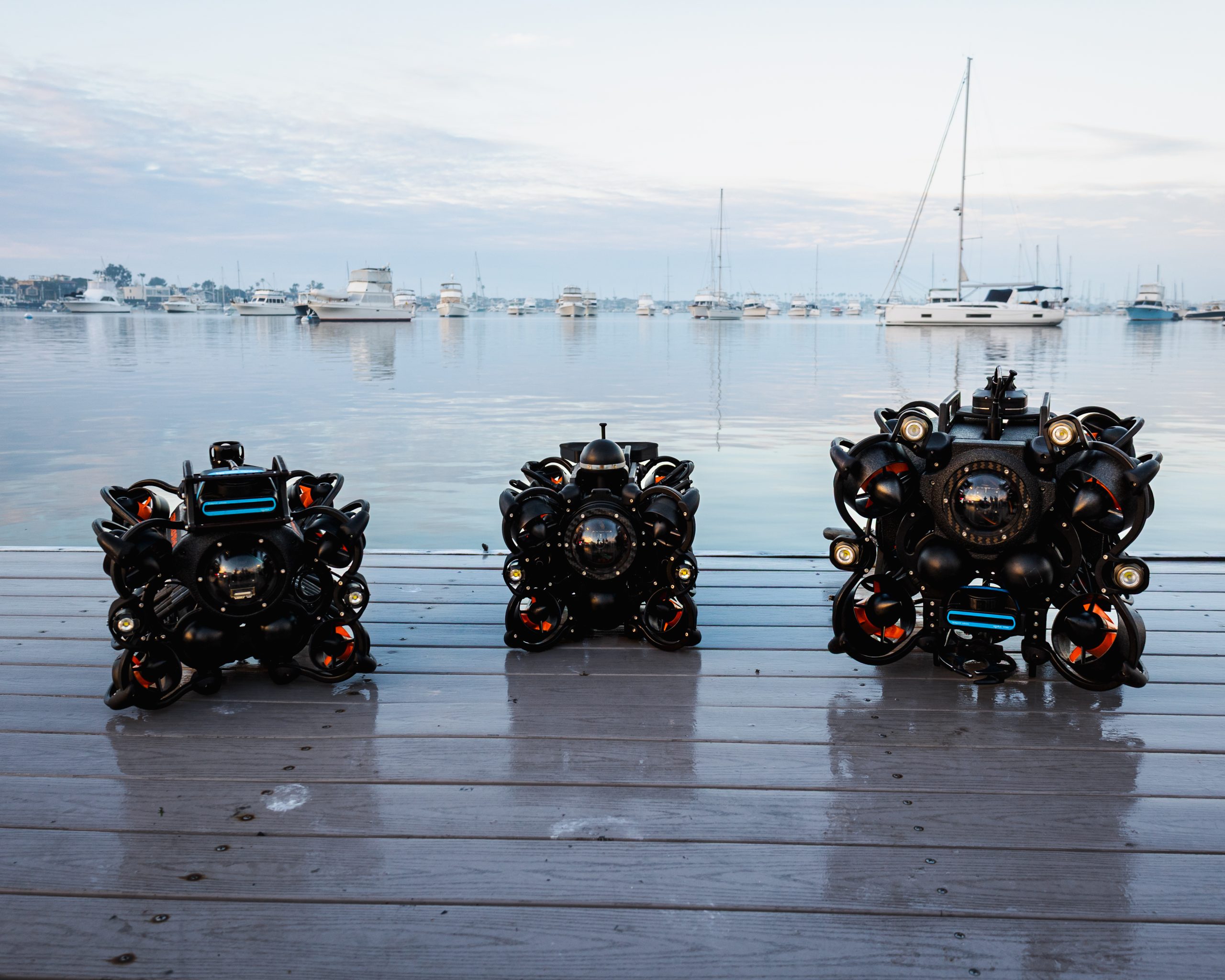
SRV-8 Series from left to right: SRV-8, SRV-8C, and SRV-8X.
ROV Selection Guide: 3 Fundamental Questions
To choose the right SRV-8 series model, consider three key factors: operating depth, ocean currents, and payload capability.
1. Target Operating Depth
-
Shallow & Surface Assets (0–100m): Ideal for inspecting ship hulls, sunken objects, dock pilings, and harbor infrastructure.
-
Mid-Depth Infrastructure (100–500m): Designed for pipeline/culvert access, bridge footings, and submerged intake pipes.
-
Deep-Water Exploration (500–1,200m): Essential for subsea pipelines, oceanographic research, and extreme depth surveys.
2. Environmental Water Conditions
-
Calm Conditions: Sheltered marinas, lakes, and calm reservoirs requiring minimal thruster resistance (no current)
-
Moderate Currents: Coastal waters, tidal pulls, and river systems demanding stabilization (some current)
-
High Seas & Strong Currents: Open-ocean environments, deep offshore structures, and low-temperature operations requiring maximum station-keeping power (strong current)
3. Required Operational Work & Payload
-
Observation: Visual assessments, security checks, and high-definition video surveillance.
-
Light Intervention: Object recovery, manipulation, basic site mapping, and localized deployment for investigations.
-
Heavy Work & Survey: Complex manipulation, deep-water surveys, and multi-sensor payload integration.
Match Your Mission to the Right Oceanbotics ROV
This ROV selection guide should help you find the right ROV for your mission. Take a look at the table below for a comprehensive understanding of what each ROV is best used for, or skip ahead to take our ROV Matchmaker Quiz.
| Model | Operating Depth | Station-Keeping Capability | Payload Capacity | Portability | Best For |
|---|---|---|---|---|---|
| SRV-8C | Up to 350 m | Standard | Multisensor Payload | 1 Compact Transport Case | Single-operator, rapid-deployment observations & inspections |
| SRV-8 | Up to 350 m | Enhanced | Multisensor Payload | 2 Transport Cases | Versatile intervention, object recovery, site mapping |
| SRV-8X | Up to 1200 m | Maximum | Extreme Multisensor Payload | 2 Transport Cases | Complex subsea surveys & demanding expeditions |
Take the Quiz- Which ROV is Right for You by Mira Nagle
Meet the SRV-8 Series ROVs
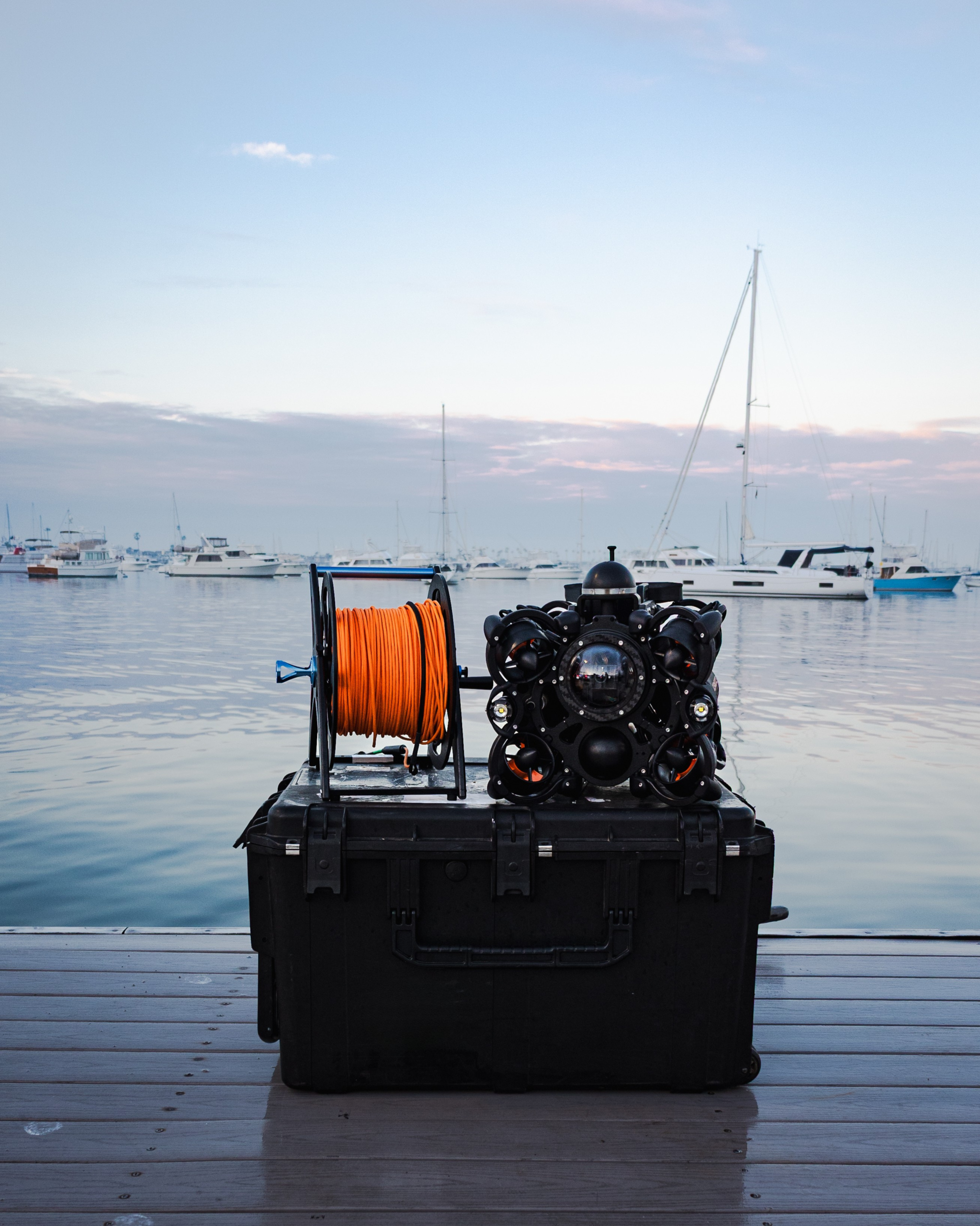
SRV-8C: The Ultra-Portable Compact Inspection ROV
If your primary focus is rapid, shallow-water inspection, the SRV-8C is engineered for maximum mobility.
-
Key Advantage: The complete system packs down into a single, ultra-portable flyaway case for single-person transport and setup.
-
Best Applications: Ship hull inspections, shallow dock pilings, evidence recovery, and immediate look-and-see observations.
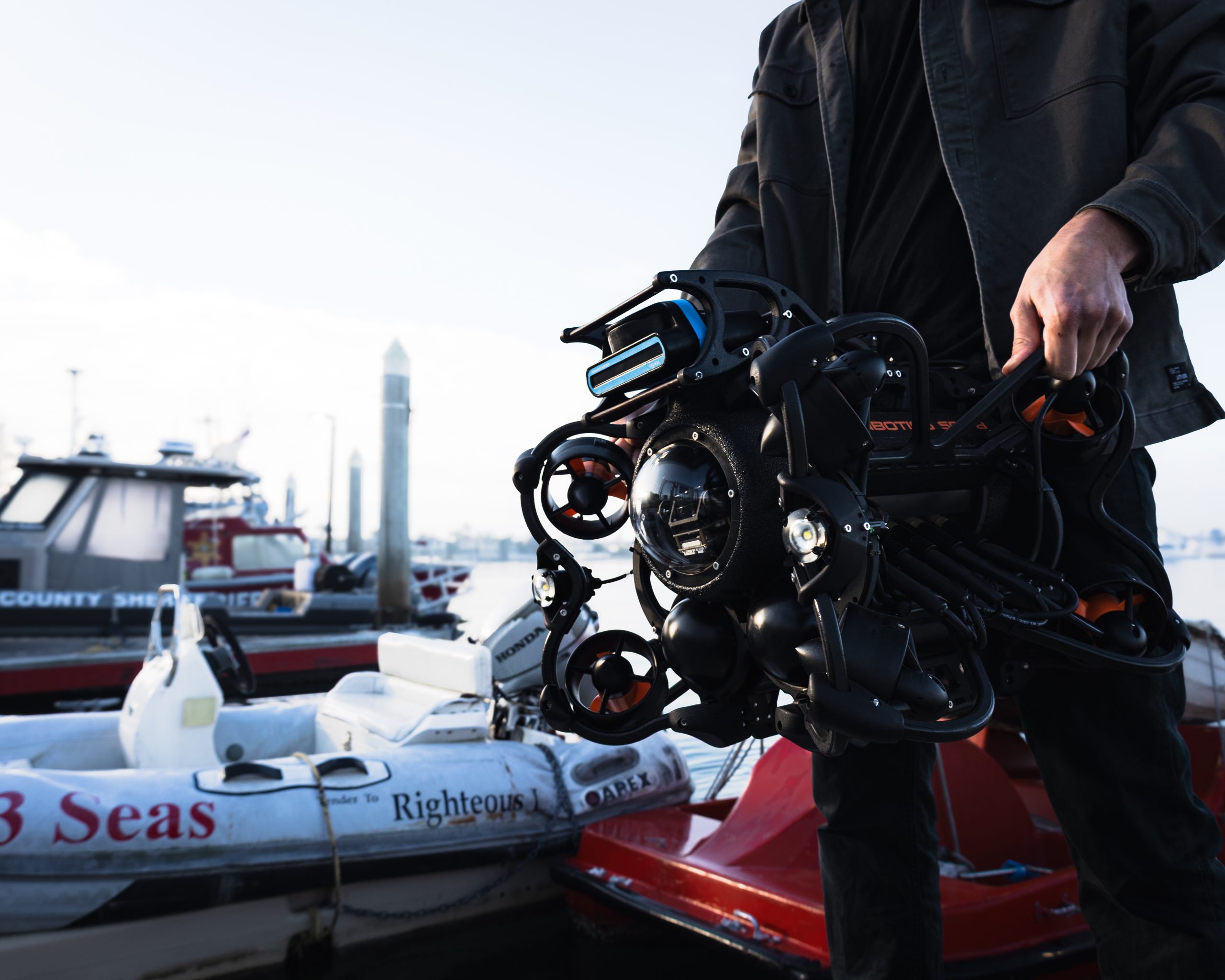
SRV-8: The Ultimate Mid-Sized Workhorse ROV
For operators seeking a balance between budget, portability, and subsea intervention power, the SRV-8 represents the industry standard for daily field operations.
-
Key Advantage: Maneuverable, easy to use architecture that easily integrates essential add-ons such as imaging sonar and robotic grabbers.
-
Best Applications: Dam inspections, bridge footings, pipe maintenance, and mid-depth search and recovery.
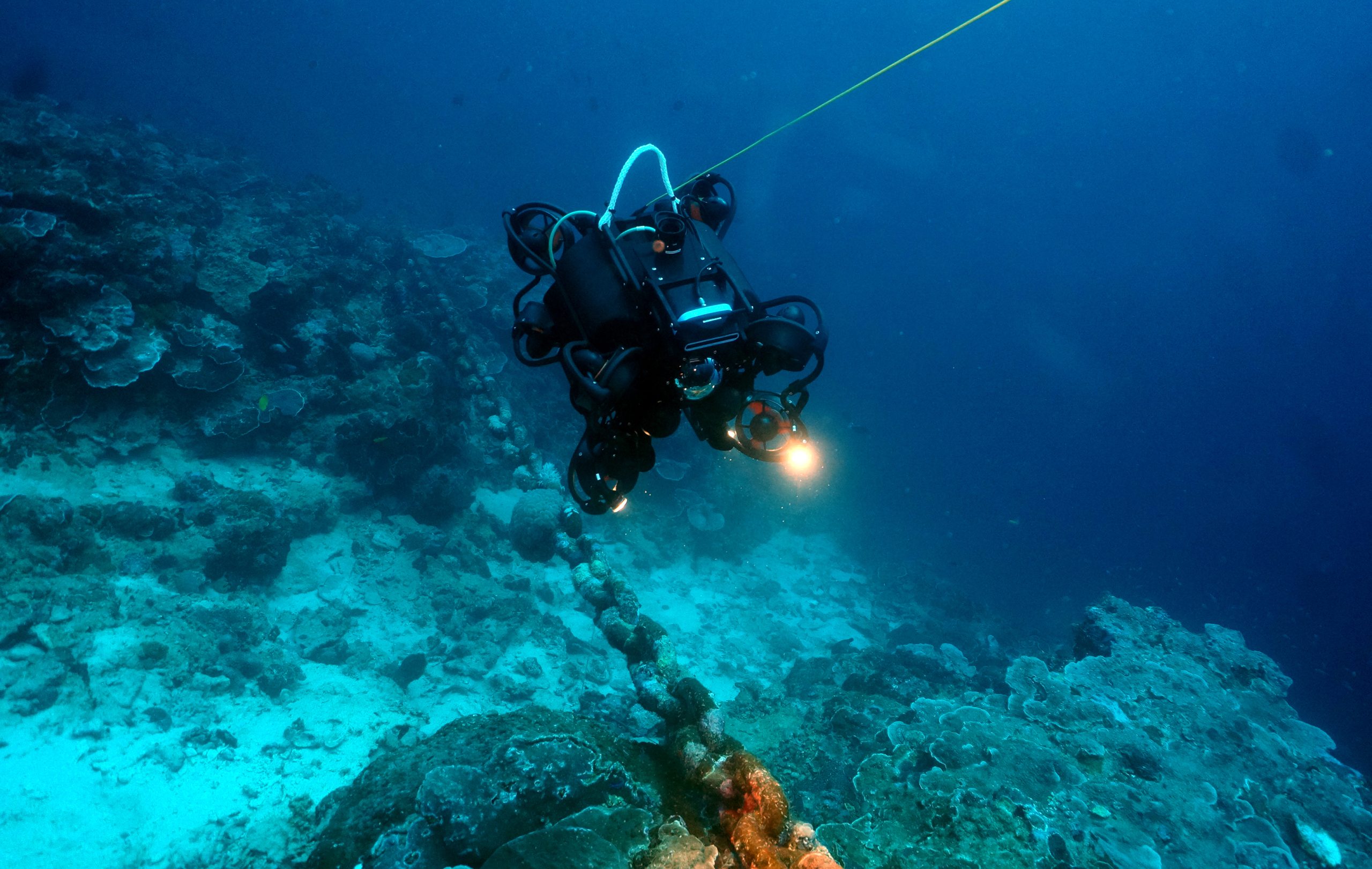
SRV-8X: The Rugged, Deep-Water ROV
When operations demand extreme depth ratings and high thruster capacity to fight harsh offshore currents, the SRV-8X provides uncompromised performance.
-
Key Advantage: Stronger thrust and expanded payload capacity designed to power and carry simultaneous advanced integrations.
-
Best Applications: Subsea energy infrastructure, multi-beam sonar surveying, USBL tracking, and heavy deep-water manipulation.
Next Steps for Your Subsea Mission
Choosing the right ROV is a critical decision that directly drives your operational efficiency and return on investment. Aligning your vehicle’s depth rating, environmental capabilities, and sensor loadout ensures high mission success and maximum value from day one. That’s why we created this ROV selection guide to help make this process as seamless as possible.
Ready to discuss your subsea ROV requirements or schedule a live demonstration?
Contact our technical sales team directly at sales@oceanbotics.com or request a quote.